Periodontal Disease Treatment - Natural Alternatives

Discover the best natural and healthy dentistry remedies available.

  • About Us
  • Gum Disease (Home)
  • Receding Gums
  • Periodontal Disease
  • Gingivitis
  • Swollen Gums
  • Periodontitis
  • Oral Hygiene
  • Tooth Loss – How to Avoid it
  • Ketosis Bad Breath Remedy
  • 10 Best Essential Oils for Toothache
  • Blog
  • Why My Breath Smells Like Poop!

Best essential oils for periodontal disease [2023 guide]

By

Best essential oils for periodontal disease [2023 guide]

Essential oils can potentially help with periodontal disease by providing antimicrobial and anti-inflammatory properties. However, it’s essential to remember that while essential oils can be used as a complementary treatment, they should not replace conventional dental care and treatment prescribed by a dentist. Here are some essential oils that are often suggested for oral health:

  1. Tea Tree Oil (Melaleuca alternifolia): Tea tree oil is well-known for its antimicrobial properties and can help reduce the growth of bacteria associated with periodontal disease. Be cautious when using tea tree oil, as it can be potent and should be diluted before use.
  2. Clove Oil (Eugenia caryophyllata): Clove oil has analgesic and antibacterial properties and can help alleviate pain and reduce inflammation. It is often used for toothaches.
  3. Peppermint Oil (Mentha piperita): Peppermint oil has antibacterial properties and can provide a refreshing feeling in the mouth. It may also help reduce inflammation.
  4. Eucalyptus Oil (Eucalyptus globulus): Eucalyptus oil has antimicrobial properties and can help reduce bacteria in the mouth. It may also have anti-inflammatory effects.
  5. Oregano Oil (Origanum vulgare): Oregano oil is rich in antioxidants and has antimicrobial properties. It can help fight oral bacteria that contribute to periodontal disease.
  6. Myrrh Oil (Commiphora myrrha): Myrrh oil has been used for its anti-inflammatory and antimicrobial properties and may be beneficial for gum health.

When using essential oils for periodontal disease, keep the following tips in mind:

  1. Always dilute essential oils with a carrier oil, such as coconut oil or olive oil, to avoid irritation or sensitivity.
  2. Use a small amount of the diluted oil and apply it to the affected area or add a few drops to your toothpaste or mouthwash.
  3. Perform a patch test before using essential oils to ensure you are not allergic or sensitive to them.
  4. Do not ingest essential oils, as some can be toxic when consumed.
  5. Consult with a healthcare professional or a dentist before using essential oils as part of your oral care routine, especially if you have underlying health conditions.

Remember that while essential oils may provide some relief and help maintain oral hygiene, they should be used as a complementary approach alongside regular dental care, including professional cleanings and treatments prescribed by a dentist. The top essential oils have a natural ability to  kill periodontal bacteria and serve as a great natural remedy.

Top signs of periodontal disease:

Periodontal disease, also known as gum disease, can manifest in various stages, from mild gingivitis to more severe periodontitis. Here are some common signs and symptoms associated with periodontal disease:

  1. Bleeding Gums: One of the earliest signs is often bleeding gums, especially when brushing or flossing.
  2. Swollen or Red Gums: Inflammation and redness of the gums can be an indicator of gum disease.
  3. Bad Breath: Persistent bad breath (halitosis) can be a result of bacteria in the mouth due to gum disease.
  4. Receding Gums: Gums that pull away from the teeth, making the teeth appear longer, can be a sign of gum disease.
  5. Sensitive or Loose Teeth: As the disease progresses, you may notice increased tooth sensitivity or teeth that feel loose.
  6. Painful Chewing: Discomfort or pain while eating, especially when chewing hard or crunchy foods.
  7. Pus Between Teeth and Gums: The presence of pus or discharge at the gumline is a sign of infection.
  8. Changes in Tooth Alignment: Shifting or moving of teeth in the mouth, which can be a result of weakened supporting structures.
  9. Deep Periodontal Pockets: The development of deep pockets between the teeth and gums, indicating a loss of attachment and bone around the teeth.
  10. Bone Loss: In severe cases, X-rays may reveal significant bone loss around the teeth.

It’s important to note that early-stage gum disease (gingivitis) is often reversible with good oral hygiene practices, such as regular brushing, flossing, and professional dental cleanings. However, if left untreated, it can progress to more severe forms of periodontal disease (periodontitis) that may require more aggressive treatments. Regular dental check-ups can help in the early detection and management of periodontal disease. If you suspect you have gum disease, it’s best to consult with a dentist or periodontist for proper evaluation and treatment.

how periodontal bacteria leads to tooth decay and teeth loss.

Periodontal bacteria play a significant role in the development of periodontal disease, which, if left untreated, can ultimately lead to tooth loss. Periodontal disease is a chronic inflammatory condition that affects the supporting structures of the teeth, including the gums, periodontal ligaments, and alveolar bone. Here’s how periodontal bacteria contribute to tooth loss:

  1. Plaque Formation: The process begins with the formation of dental plaque, a sticky film of bacteria and food particles that accumulates on the teeth. Plaque is home to various types of bacteria, including those associated with periodontal disease.
  2. Bacterial Infection: Some of the bacteria in dental plaque, such as Porphyromonas gingivalis and Tannerella forsythia, can initiate an inflammatory response in the gums. These bacteria release toxins that stimulate the body’s immune system.
  3. Inflammatory Response: The immune system responds to the bacterial infection by releasing inflammatory mediators, such as cytokines and prostaglandins. This inflammation is the body’s attempt to fight off the infection.
  4. Destruction of Supporting Structures: Over time, the chronic inflammation causes damage to the gum tissue, periodontal ligaments, and alveolar bone that support the teeth. The destruction of these supporting structures is a hallmark of periodontal disease.
  5. Pocket Formation: As the disease progresses, the gums may begin to pull away from the teeth, creating pockets between the teeth and the surrounding tissue. These pockets provide a suitable environment for more plaque and bacteria to accumulate.
  6. Bone Resorption: The chronic inflammation and the presence of bacterial toxins lead to the loss of alveolar bone, a process known as bone resorption. This bone loss weakens the support for the teeth.
  7. Tooth Mobility: With the loss of bone and weakened support, the affected teeth may become mobile or loose.
  8. Tooth Loss: In severe cases of untreated periodontal disease, the teeth may become so loose and unstable that they eventually fall out or require extraction due to the inability to support them.

It’s important to note that periodontal disease is a progressive condition, and its severity can vary. Early stages of gum disease, known as gingivitis, are typically reversible with proper oral hygiene and professional dental care. However, if left untreated, gingivitis can progress to more severe periodontitis, which is associated with significant damage to the supporting structures of the teeth and can lead to tooth loss.

To prevent tooth loss due to periodontal disease, it’s crucial to maintain good oral hygiene practices, including regular brushing, flossing, and dental check-ups, to detect and address gum disease in its early stages. If you suspect you have gum disease or have symptoms like bleeding gums, gum recession, or loose teeth, it’s essential to consult with a dentist for proper diagnosis and treatment. Use natural ingredients and avoid even natural chemicals Dental health can be jeopordized with harsh chemicals. Use essential oils for healthy teeth and gums.For personal care and to avoid tooth pain or gum recession use essential oils. They kill oral pathogens and have excellent antiseptic properties.

essential oils proven to kill periodontal bacteria:

Essential oils have been studied for their potential antimicrobial properties, including their ability to combat harmful bacteria. While research suggests that some essential oils may have antimicrobial effects against these bacteria, it’s important to note that essential oils should not be considered a sole or primary treatment for periodontal disease. They can be used as complementary or adjunctive therapies alongside proper dental care and professional treatment. Here are some essential oils that have been studied for their potential to combat periodontal bacteria:

  1. Tea Tree Oil (Melaleuca alternifolia): Tea tree oil is perhaps the most well-known essential oil for its antimicrobial properties. Studies have shown that it can help reduce the growth of periodontal bacteria and improve gum health.
  2. Clove Oil (Eugenia caryophyllata): Clove oil contains eugenol, a compound with antimicrobial properties. It has been studied for its potential to reduce the growth of periodontal bacteria and alleviate gum inflammation.
  3. Peppermint Oil (Mentha piperita): Peppermint oil contains menthol, which can provide a cooling sensation and may help reduce gum inflammation. It also has some antimicrobial properties.
  4. Cinnamon Oil (Cinnamomum zeylanicum): Cinnamon oil contains cinnamaldehyde, a compound with antimicrobial properties. Some studies have suggested that cinnamon oil may inhibit the growth of periodontal bacteria.
  5. Eucalyptus Oil (Eucalyptus globulus): Eucalyptus oil has demonstrated antimicrobial activity and may be beneficial for oral health. It can help reduce inflammation and bacterial growth.
  6. Lavender Oil (Lavandula angustifolia): Lavender oil has mild antimicrobial properties and may be useful in supporting overall oral health.

It’s important to use essential oils with caution and in a diluted form, as they can be potent and may cause irritation if applied directly to the gums. Here are some guidelines for using essential oils for oral care:

  1. Dilute the essential oil with a carrier oil, such as coconut oil or olive oil.
  2. Use a small amount of the diluted essential oil as a mouthwash or gargle. Swish it in your mouth for a short period, then spit it out.
  3. Do not swallow essential oils, and avoid using them undiluted.
  4. Consult with a healthcare professional or dentist before using essential oils as part of your oral care routine, especially if you have underlying dental conditions.

Remember that proper dental hygiene practices, including regular brushing, flossing, and professional dental cleanings, are essential for preventing and treating periodontal disease. Essential oils can be a supplementary approach, but they should not replace standard dental care.

How oil pulling can kill periodontal bacteria:

Oil pulling is a traditional Ayurvedic practice that involves swishing oil in the mouth for a period of time, typically 15-20 minutes, and then spitting it out. While some proponents claim that oil pulling can help kill periodontal bacteria and improve oral health, the scientific evidence supporting these claims is limited, and it is not a substitute for established oral hygiene practices like brushing and flossing.

The idea behind oil pulling’s potential to kill periodontal bacteria is based on several factors:

  1. Bacterial Adhesion: Some oral bacteria are known to adhere to the teeth and oral tissues, forming biofilms that can contribute to periodontal disease. Supporters of oil pulling suggest that swishing oil in the mouth may help to loosen and remove these bacteria.
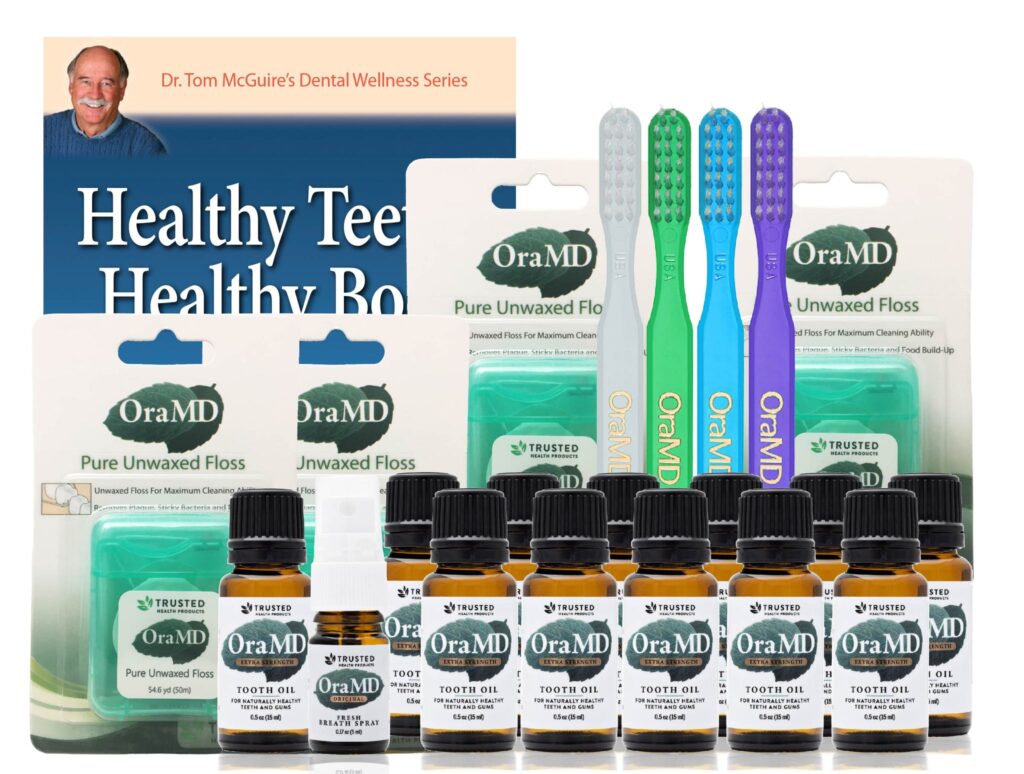
  2. Bactericidal Properties: Some oils, such as coconut oil, contain fatty acids with potential antibacterial properties. It is believed that these fatty acids can interact with and disrupt the cell membranes of oral bacteria, leading to their destruction. Try adding a drop of an essential oil mix like OraMD.
  3. Saliva Interaction: As you swish oil in your mouth, it mixes with saliva, creating an environment that may inhibit bacterial growth. This change in pH and the composition of oral fluids could potentially affect the growth of certain bacteria.

However, it’s important to note that while there may be some theoretical basis for these claims, scientific studies on the effectiveness of oil pulling for killing periodontal bacteria are scarce, and the results are inconclusive. More research is needed to establish whether oil pulling can be a reliable method for improving oral health.

In contrast, established oral hygiene practices, such as regular brushing, flossing, and professional dental care, are supported by extensive scientific evidence for their effectiveness in preventing and treating periodontal diseases by removing plaque and bacteria from the mouth. If you are concerned about your oral health or have periodontal issues, it is advisable to consult with a dentist or dental hygienist for guidance on appropriate oral hygiene practices and treatments.
Filed Under: essential oils, Periodontal Disease Tagged With: essential oils, kill periodontal bacteria

Are lip piercings bad for your teeth?

By

Are lip piercings bad for your teeth?

Lip piercings can potentially be bad for your teeth and oral health, primarily due to the risk of dental damage and other complications. Here are some reasons why lip piercings can be problematic for your teeth:

  1. Chipping or Cracking: Lip piercings, particularly if they are located close to the front teeth, can increase the risk of chipping or cracking your teeth. Accidental biting or hitting the piercing against your teeth can cause dental damage.
  2. Gum and Tissue Damage: The metal or jewelry in a lip piercing can irritate and damage your gums and oral tissues. This can lead to gum recession, which may expose the tooth roots and make them more vulnerable to decay and sensitivity.
  3. Infection: Piercings create an opening in the skin and mucous membranes, which can increase the risk of infection. Infections around the piercing area can spread to the oral cavity and potentially cause dental problems.
  4. Interference with Oral Hygiene: Lip piercings can make it more challenging to maintain proper oral hygiene. The jewelry may obstruct brushing and flossing, leading to a buildup of plaque and a higher risk of gum disease and tooth decay.
  5. Speech and Swallowing Issues: Some people may experience difficulties with speech and swallowing after getting a lip piercing. These issues may not directly affect teeth, but they can impact overall oral health.

To minimize the potential risks associated with lip piercings, consider the following precautions:

  • Choose high-quality, biocompatible materials for the piercing.
  • Opt for smaller, less intrusive jewelry to reduce the chance of dental damage.
  • Maintain meticulous oral hygiene, paying extra attention to cleaning the piercing area.
  • Be cautious with the jewelry, especially while eating or talking.
  • Regularly check for signs of infection or irritation and seek prompt medical attention if you notice any issues.
  •  Oral jewellery such as a lip ring could chip the front teeth  causing tooth damage or wear away tooth enamel leading to tooth sensitivity.

It’s important to consult with a professional piercer who has experience in lip piercings and with a dentist to discuss the potential risks and proper aftercare. Some individuals may choose to remove their lip piercings if they experience dental problems or other complications. Tongue piercings such as labret studs are particularly risky for serious  infection. Good oral hygiene habits are the most important thing and are essential to guard against infection, especially in young adults. Have dental professionals take care of your teeth, if you want to avoid dental implants, permanent damage, or periodontal disease – one of the leading causes of tooth loss.

Can lip piercings cause gum infections?

Yes, lip piercings can potentially lead to gum infections. This risk arises because the piercing creates an opening in the skin and mucous membranes, allowing bacteria to enter the body. Here are a few reasons why gum infections can occur as a result of lip piercings:

  1. Oral Hygiene: Lip piercings can make it more challenging to maintain proper oral hygiene. The jewelry in your lip may obstruct brushing and flossing, making it easier for bacteria to accumulate on and around the piercing site.
  2. Irritation: The piercing jewelry can rub against the gums and other oral tissues, causing irritation and potentially leading to inflammation or infection.
  3. Trauma: Accidental biting or playing with the piercing jewelry can cause trauma to the gums, creating entry points for bacteria.
  4. Oral Piercing Aftercare: Failure to follow proper aftercare instructions, including rinsing with an antimicrobial solution or avoiding alcohol-based mouthwashes, can increase the risk of infection, or nerve damage, which could relate to losing a sense of taste
  5. Bad breath: Generally where bacteria is present there is bad breath as well.
  6. Blood vessel damage from the infection or from the piercing itself. with blood vessel damage tooth loss is a risk.

If you have a lip piercing and notice any signs of gum infection, such as redness, swelling, pain, or discharge around the piercing site, it’s essential to seek prompt medical or dental care. In some cases, you may need to remove the piercing to allow the infection to heal properly.

To reduce the risk of gum infections associated with lip piercings, be sure to follow proper aftercare instructions and maintain good oral hygiene practices. Regular check-ups with a dentist can help monitor your oral health and address any issues that may arise.

Is gum infection linked to heart disease?

There is some evidence to suggest a possible link between gum (periodontal) infection and heart disease, although the exact nature of this relationship is still being studied and understood. The connection is often referred to as the “oral-systemic link” or the “gum-heart connection.”

Research has shown that individuals with chronic gum disease may have an increased risk of developing certain cardiovascular conditions, including:

  1. Atherosclerosis: Gum disease may contribute to the buildup of fatty deposits in the arteries (atherosclerosis), which can restrict blood flow and potentially lead to heart attacks and strokes.
  2. Endocarditis: In rare cases, bacteria from severe gum infections can enter the bloodstream and affect the heart’s inner lining, leading to endocarditis.
  3. Inflammation: Chronic gum disease can contribute to systemic inflammation, which is believed to play a role in the development and progression of heart disease.

While these connections have been observed, it’s important to note that the relationship is complex, and the exact mechanisms by which gum infection might influence heart health are not fully understood. Additionally, the risk posed by gum disease is generally considered to be a relatively small contributor compared to other well-established cardiovascular risk factors like high blood pressure, smoking, high cholesterol, and diabetes.

Maintaining good oral hygiene, including regular dental check-ups and proper brushing and flossing, can help reduce the risk of gum disease and may contribute to better overall health, including heart health. If you have existing heart disease or risk factors, it’s also a good idea to discuss your oral health with your healthcare provider.

Remember that the research on this topic is ongoing, and the field of medicine continues to evolve. Always consult with your healthcare professionals for the most up-to-date information and guidance regarding your specific health concerns.

According to the American Dental Association, 85% of adults have some form of gum disease, of which harmful bacteria is the root cause. Therefore, it is essential that you, withe the help of your dentist, and daily oral hygiene, kill periodontal bacteria effectively.

Click here to discover an effective solution that is proven to kill harmful bacteria!

Filed Under: lip piercing Tagged With: gum infection, kill periodontal bacteria, lip piercings, teeth, tooth enamel

Save your teeth by doing THIS 1 thing

By

If want to save your teeth and eliminate gum problems, you need to understand a few things, then take one important action. First, understand the results of periodontal disease if you do nothing; second, identify the main cause of the problem; and last, use the best solution to deal with the problem. Let’s now go through each of these.

1. Consequences of doing nothing to save your teeth?

It has long been said,  “The mouth is the gateway to disease.” In other words, if you have poor dental health, then you are vulnerable to various diseases and dangers. Here are some of the destructive consequences if left unchecked. It may exacerbate other conditions as well:

  • Chronic Bad breath (the most embarrassing!)
  • Red, swollen, and painful gums
  • Receding gums
  • Teeth loss
  • Dentures
    (those of you that have them know that it is better to avoid it all together – warning to the younger and more fortunate)
  • Bone loss (jaw)
  • Stroke
  • Heart disease and heart attacks
  • Rheumatoid arthritis
  • Kidney disease
  • Lung disease
  • Risks with pregnancy

*Reference.

The Bottom Line:

The main point should be obvious. Since the mouth is a portal to the body it can also be a gateway to disease if not taken care of. Dental hygiene is crucial and is not to be overlooked.
If it is neglected, the consequences can be very painful, and costly, even deadly. Is it worth saving your teeth? Yes indeed! If more people gave diligent attention to oral care, many other conditions would be kept in check.


The Numbers Do Not Lie – it is a problem you have to face.

According to the magazine of the National Institutes of Health, NIH Medline Plus, 47.2% of people more than 30 years old, have some form of periodontal disease. In only gets worse and is a danger not to ignore.
By age 65, more than 70% of adults have some form of periodontal disease. Do not think that it will not happened to you. The numbers are stacked against you. It is a reality.

So how do you diminish the risk or eliminate it altogether?

Identify the main cause and apply an effective solution that works. It’s that simple.


2. What is the main Cause of tooth loss?

There are several diverse reasons for the beginning and worsening of gum disease: poor diet, drug use, poor dental hygiene, stress, and various other reasons. The number one culprit, however, that actually does the bulk of damage are uncontrolled bacteria that thrive in the mouth. Yes, that is right!

Uncontrolled bacteria are the main problem!

If they are not controlled they can wreak havoc on your gums, teeth, bones, and overall health.
Ignore bacteria at your own peril.

So what do you need to do?

You need to naturally and effectively kill periodontal bacteria!


3. What is the Best Solution to Kill Periodontal Bacteria and Maintain Oral Health?

Can I save my rotting teeth? Perhaps, but you need to keep your teeth by using the right solution as part of oral care plan. The best plan include a solution that is effective at killing and controlling mouth bacteria.

We recommend OraMD, which studies have proven to kill destructive mouth bacteria.

You can learn more from an OraMD review or you can go directly to the official site for the OraMD sale (they are offering big discounts and a free gift) where they are having a blow out sale. For a short time, they are offering big discounts and a free gift (Cyper Monday!) that include skin care products too.

So do THIS one thing to save your teeth (and eliminate bad breat) — use OraMD.

This stuff is all natural and it really works. Check it out and get big savings! 

This is a short helpful video that Trusted Health Products produced.

FYI – One of the biggest deep discounts is for $172.19 for the 1-year supply of OraMD Extra Strength.
This is an amazing savings for the family or for yourself.


save your teeth

Filed Under: Deals Tagged With: bad breath, Black Friday Sale, consequences of gum disease, dentures, kill periodontal bacteria, NIH Medline Plus, OraMD sale, receding gums

OraMD Review (Must read)

OraMD reviews
how to get rid of mouth bacteria

Recent Posts

  • How often to change gauze after tooth extraction
  • loose tooth pain child
  • Can I Brush my teeth after filling?
  • pain between teeth when flossing
  • Best essential oils for periodontal disease [2023 guide]
  • How to brush teeth with receding gums[good oral health tips]
  • Can i drink coffee after gum graft surgery
  • Best natural essential oils for swollen gums

Copyright © 2025 · https://periodontaldiseasetreatment.org